



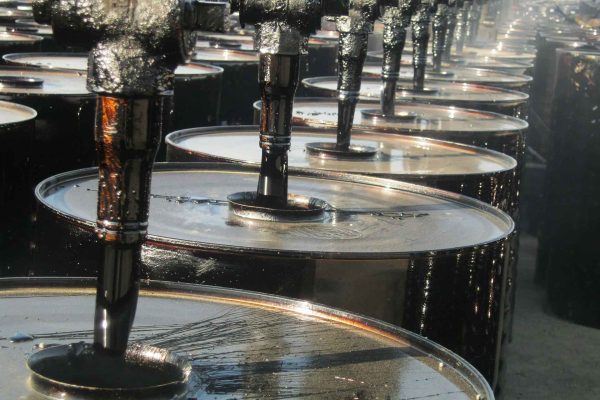
Bitumen is a black, viscous substance used for waterproofing and asphalt production. There are various types of bitumen, each with its specific application. Bitumen is a derivative of petroleum and is often produced in oil refineries. Undoubtedly, the term “bitumen” is familiar to the general public; however, this substance may not be as well-known or defined to technical experts as it is commonly perceived.
In the general public’s perception, “bitumen is a black, smelly, and sometimes unpleasant substance with specific properties: adhesiveness and waterproofing. It originates from petroleum and is used in the production of asphalt or roofing felt.” And, of course, this is a distant view of bitumen that only includes its apparent characteristics.
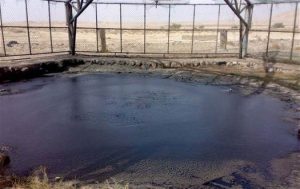
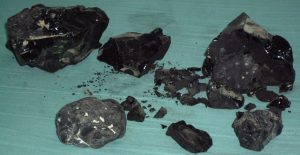
The beginning of the modern bitumen industry can be traced back to 1712 when natural bitumen rocks were discovered in France. At that time, bituminous materials were spread in lumps on the surface of local roads. This technique was quite successful, and within a short time, advancements were made by powdering and heating the materials before use. With the advancement of science and technology, bitumen has found a wide variety of applications in various industries and for different purposes, including road construction, coatings, flooring, roofing, underground pipe coatings, waterproofing tanks, canals, bridges, stabilization of quicksand, painting, and more.